Product Description
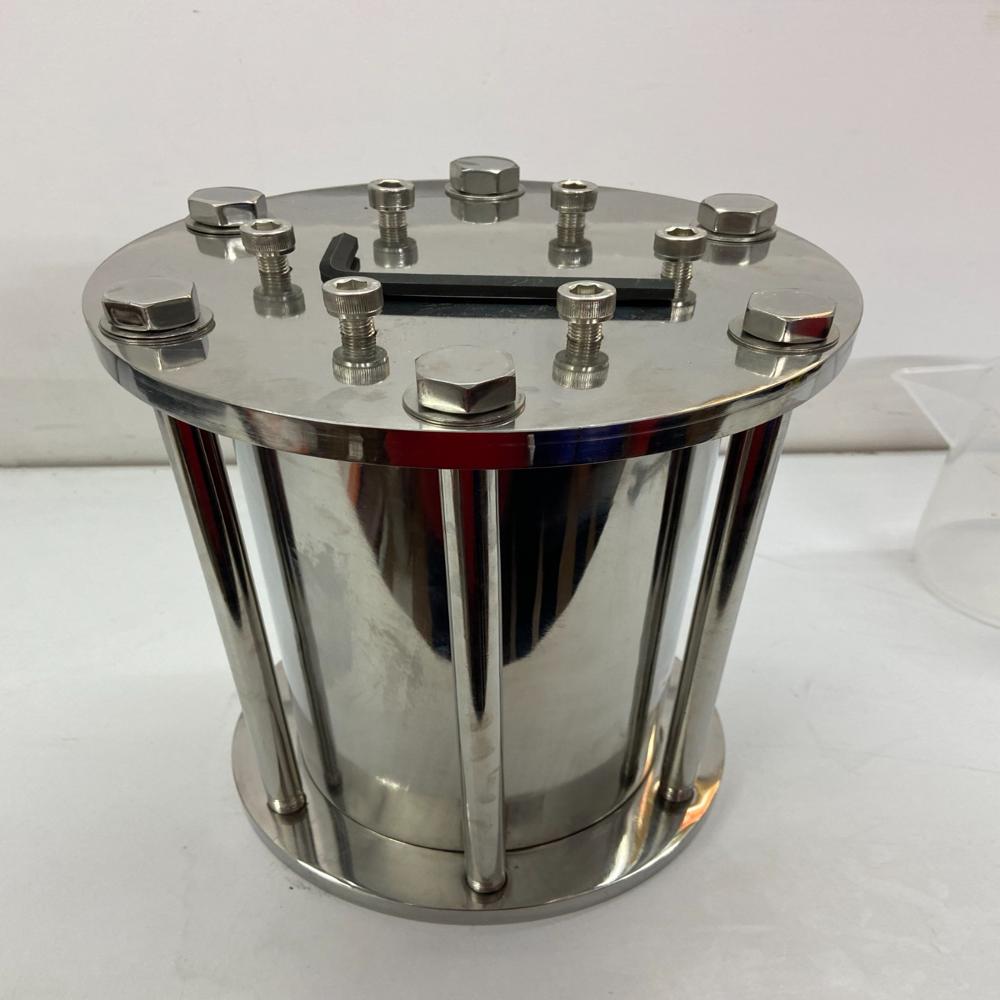
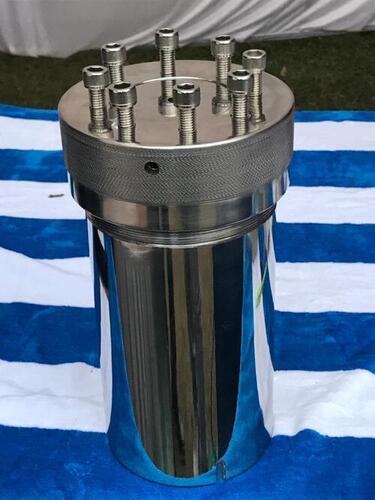
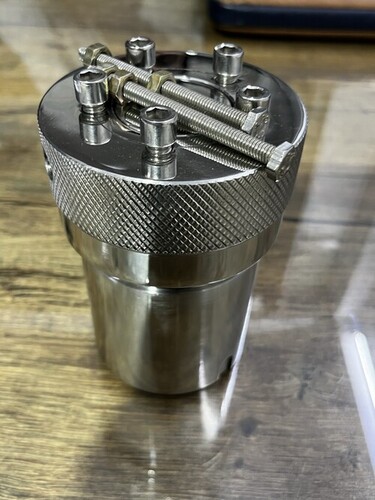
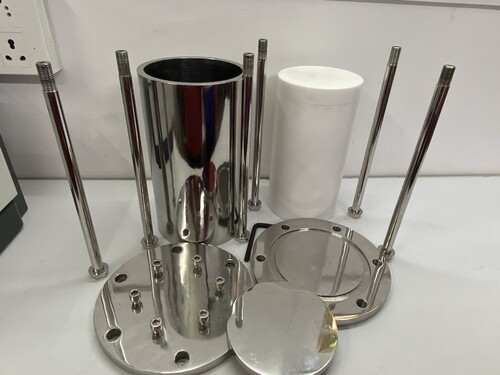
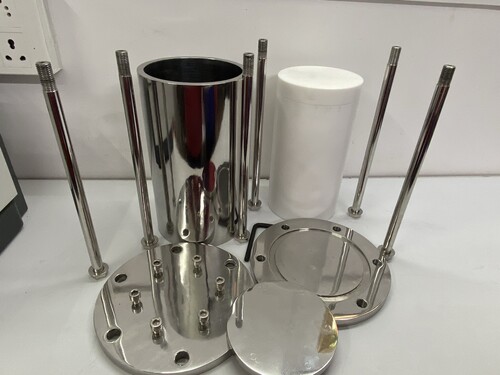
Industrial Hydrothermal Autoclave is used to carry hydrothermal reactions at high pressure and high temperature. It is also known as a Hydrothermal synthesis reactor, digestion or pressure melting, hydrothermal synthesis reactor, high temperature and pressure digestion vessels, and Lined Autoclave. Industrial Hydrothermal Autoclave is a chemical reaction in water in a sealed pressure vessel, which is a type of reaction at both high temperature and pressure.
Exceptional Sterilization PerformanceRely on uniform and repeatable sterilization due to the autoclave's precise temperature control (up to 134C), even heat distribution within 1C, and user-adjustable sterilization times. The robust SS316L construction and 14 mm thick chamber ensure exceptional durability and operational longevity in demanding industrial environments.
User-Friendly Control and MonitoringEasily manage sterilization cycles via a large LCD display and HMI touch panel, powered by a sophisticated PLC system. With up to 20 user-defined settings, operators can program cycles to match specific requirements, while digital recorders and audio-visual alarms ensure all parameters and alerts are clearly monitored at all times.
Comprehensive Safety FeaturesYour operation is protected with multi-tiered safety systems: overpressure and overtemperature protection, emergency stop, and automatic safety and solenoid valves (SS-316L). Insulation with high-density mineral wool minimizes heat loss, and the sealed silicone gasket maintains reliable chamber integrity throughout every cycle.
FAQ's of Industrial Hydrothermal Autoclave:
Q: How does the automatic PLC control system with HMI touch panel benefit autoclave operation?
A: The automatic PLC control system, combined with the HMI touch panel, streamlines the entire sterilization process. Operators can easily select, customize, and initiate cycles, monitor progress with the large LCD display, and quickly respond to alarms or status changes for efficient, precise sterilization every time.
Q: What safety features are included in the autoclave to protect users and equipment?
A: This autoclave is equipped with multiple safety mechanisms, including overpressure and overtemperature protection, an emergency stop button, automatic safety and solenoid valves, and audio-visual alarm indicators. These features work collectively to prevent hazardous conditions and ensure safe operation under all circumstances.
Q: Where can this industrial autoclave be installed and what utilities are required?
A: Designed for industrial settings, the autoclave can be installed in facilities with access to 3-phase, 415V power supply, saturated steam (compatible with external steam generator), and compressed air at 5 to 6 bar. Water supply for each cycle should accommodate approximately 240 liters.
Q: What is the process for sterilizing batches using the dual-mode spraying system?
A: The autoclave offers both rotary and static spraying modes within its mirror-finished SS316L chamber. Materials are loaded via the automatic sliding door, placed on stainless steel trolleys, and the spraying system ensures uniform steam distribution, optimizing sterilization regardless of load configuration.
Q: When should users adjust sterilization time and temperature, and how is it achieved?
A: Sterilization time (0-99 minutes) and temperature (up to 134C) can be adjusted via the HMI touch panel to suit the specific requirements of different materials, load sizes, or compliance standards. These settings ensure precise control for every sterilization batch.
Q: What are the benefits of using high-density mineral wool insulation in this autoclave?
A: High-density mineral wool insulation minimizes heat loss, improves energy efficiency, and helps maintain consistent internal temperature during cycles. This results in shorter cycle times, lower operating costs, and a safer external surface temperature.
Q: How does the digital recording system support process validation and regulatory compliance?
A: The integrated digital recorder continuously logs key parameters like temperature and pressure throughout each cycle. This provides accurate, traceable documentation to support process validation, quality assurance, and compliance with industry standards.









 Send Inquiry